Naturally Elegant
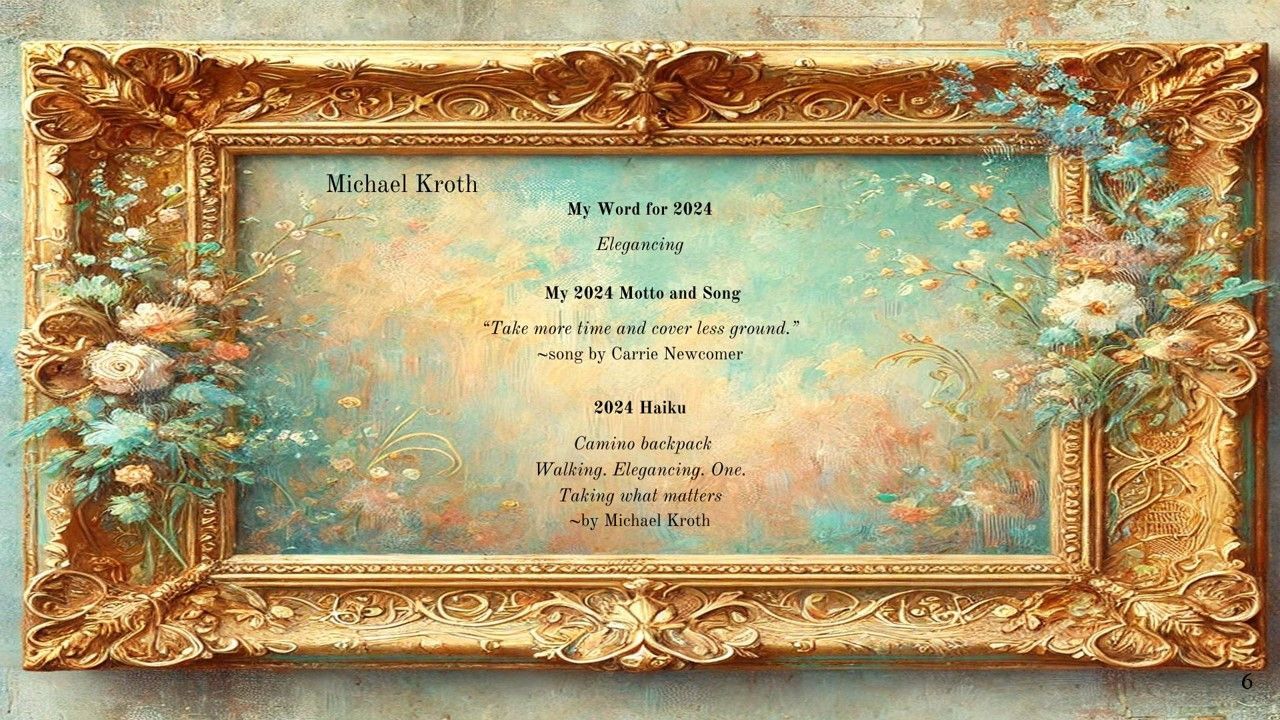
Here are some initial thoughts about elegance, nature, and depth; a poem about happiness; and even a haiku.
Under The Harvest Moon
Underthe harvest moon,
When the soft silver
Drips shimmering
Over the garden nights,
Death,the gray mocker,
Comes and whispers to you
As a beautiful friend
Who remembers.
Under the summer roses
When the flagrant crimson
Lurks in the dusk
Of the wild red leaves,
Love, with little hands,
Comes and touches you
With a thousand memories,
And asks you
Beautiful, unanswerable questions.
~Carl Sandburg, Harvest Poems
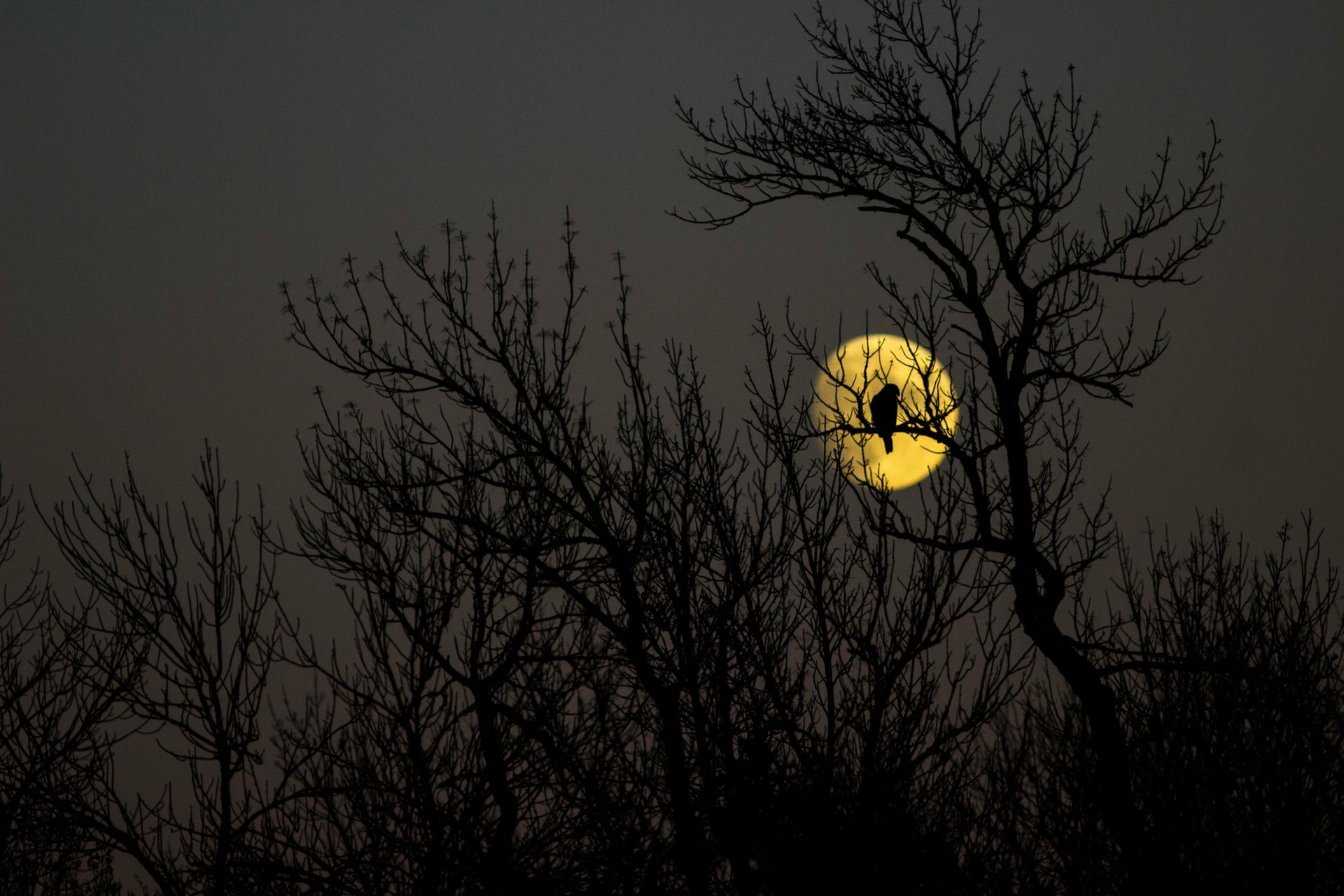
Photo by Gary Fultz on Unsplash
To me—no expert in the science of nature—there is nothing quite so elegant as the living world.
Even the bright colors, the loud squawks, the restless pacing of animals—each seems shaped by necessity.
Nothing extra. Nothing wasted.
Life, in its unfolding, appears refined by the quiet discipline of survival.
But it’s messier than that.
Patrick House suggests that nature is not always elegant. Evolution does not necessarily produce the best solution—only one that works. As neuroscientist William Newsome observes, evolution “just seizes on convenient solutions… and uses them again and again . . . They get frozen in place, reproduced, and used again and again.”
Not perfection—just persistence. Even Francis Crick, winner of the Nobel Prize for discovering the structure of DNA, once made an elegant—but incorrect—conclusion. Thirty years later, he reflected that it is
“. . . very rash to use simplicity and elegance as a guide in biological research.”
If nature does not always arrive at the most elegant solution—and if even our best minds can mistake elegance for truth—what hope do we have of making sense of the complexity of our own lives?
No philosophical treatise or mathematical formula can rival the complexity of a human brain—or even an ant making its way through the day. We understand parts of the world. But what we do not know still dwarfs what we do.
Still, we continue to learn. It makes life exciting and rich and infinitely interesting.
We can, however, learn how to apply lessons from nature to our own human challenges, as organizations like the Biomimicry Institute have shown. Nature is our teacher, and we are the students, the beneficiaries. Once a species is gone, so are all the untaught lessons we might have learned from it.
Despite muffing conclusions from time to time, science continues as a process of testing, failing, revising, and trying again.
And from that messy process, something remarkable occasionally emerges: an elegant idea. Einstein’s E = MC² is an elegant way of expressing analysis that is far beyond nearly all of us.
“This definition—simplicity plus capaciousness—seems right.”
~Patrick House
The elegant is not the superficial, but rather “simplicity plus capaciousness” as House characterizes it. That gets at it, I think, in all its richness.
How elegant is a harvest moon, resting languorously in an autumn sky? How simple, love? How essential, “a beautiful friend who remembers”?
How profound, in its breadth and depth and presence, is the elegant?
Perhaps that is one of Sandburg’s “beautiful, unanswerable questions."
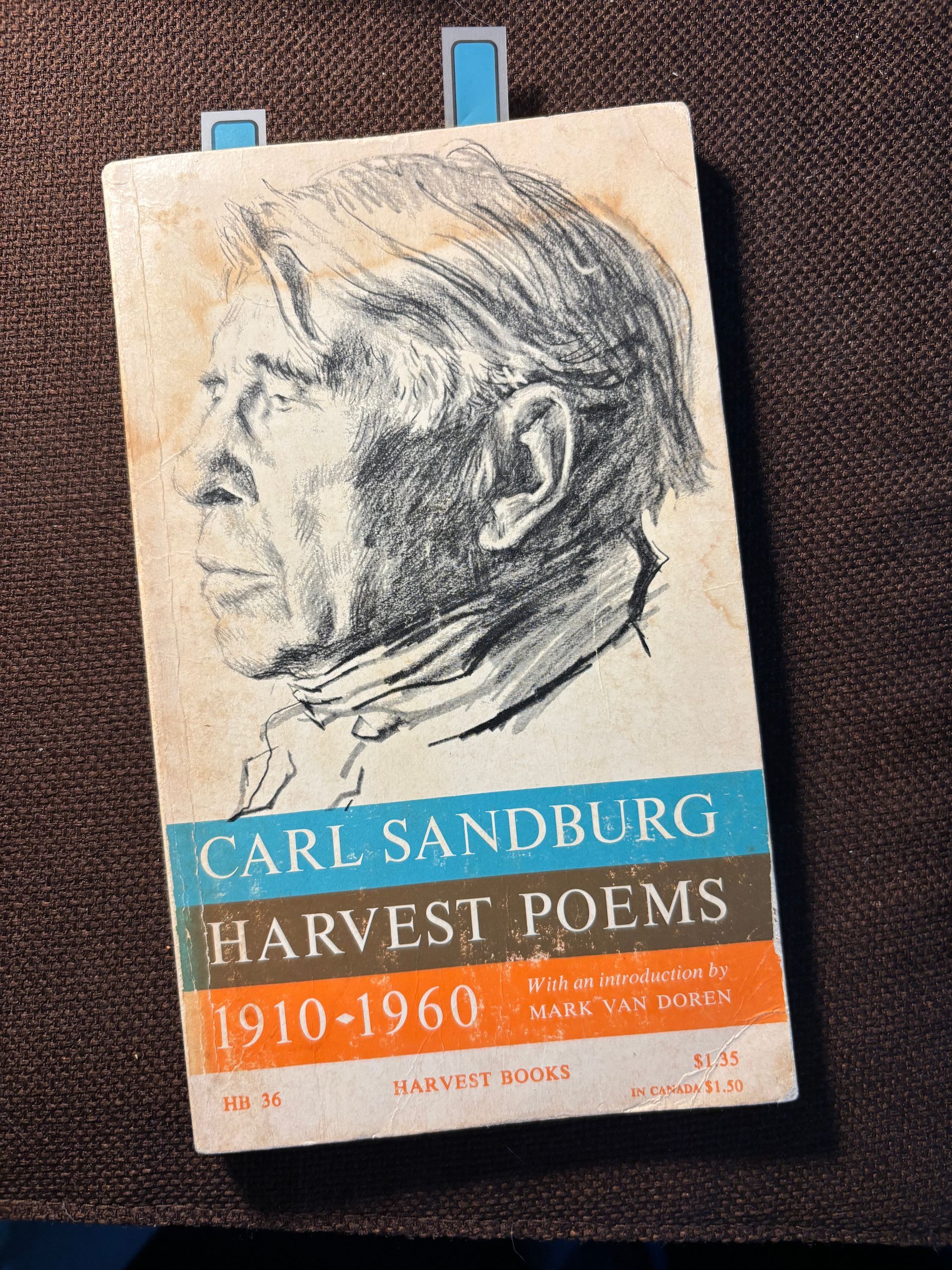
My Copy
I would love to hear your thoughts about this essay, elegance, and messy elegance.
Here are a couple of prompts.
- Can you think of some simple conclusions you have come to that may be far messier, deeper, and more complex than they first appear?
- I mourn the losses we see in nature, the beauty of it and what we can learn from it. How about you?
The best way to leave a comment and to become part of the conversation is to hop over to my Substack, Profound Living with Michael Kroth, where it will be easy to add to and comment on this and future essays.
Here's the link:
Profound Living with Michael Kroth
I'd love to hear your thoughts, experiences, and ideas about this essay or messy elegance.
Notes
An earlier version of this essay was published October 5, 2018 on my Profound Living blog.
God Without A Face, Finding A Way. Peter Bolland
What Is Elegance In Science? The New Yorker, Patrick House, August 17, 2015
Sandburg, C. (1960). Harvest poems, 1910-1960. Harcourt.
Click this link to watch a video about Biomimicry.
Despite muffing conclusions from time to time, science continues as a process of testing, failing, revising, and trying again.